How to Get Big on Twitter as a Board Game Dev
I am thrilled that many of you enjoyed Setting Up Social Media as a Board Game Dev: A Primer Course. Marketing is a big concern for game developers, especially in the chaotic arena of social media. Sites like Twitter and Instagram provide some of the biggest and most accessible ways to attract an audience, even while they’re still mysterious and new.
Looking for more resources to help you on your board game design journey?
Here you go: no email required!
Like this writing style?
Check out my latest blog on marketing here.
In fact, you probably found me through Twitter, where I’ve got a combined following of over 12,000 between the blog, War Co., and Highways & Byways accounts. You might know me through Instagram, where I have a combined following of 30,000 for War Co. and Highways & Byways. This is no accident, and I’ve spent a substantial amount of time researching the subject of online marketing. Of all the sites I’ve played with, though, Twitter is my favorite.

Any board game developer can gradually develop a large, engaged, authentic Twitter following with a little bit of ongoing effort. Twitter is an effective marketing tool that can increase the visibility of new board game developers, especially for Kickstarter. Twitter can also provide a wealth of information on several different aspects of the board game industry, with applications including idea testing, market research, making connections with influential individuals, and trend analysis.
This guide is going to be very detailed. It will be the longest article I’ve ever made. There’s lots of blog articles about building a Twitter following, but I think they’re largely half-baked. I want to see you build your account organically into the thousands. (Perhaps you’ll spare a retweet for a blogger you like…)
I’ve broken this up into six sections. Feel free to skip around, but whether you’re new to Twitter or not, I encourage you to read section 1. It’s always good to keep your endgame in mind.
- What is Twitter Good For?
- Getting Started
- Getting Noticed
- Refining Your Approach
- Using Twitter for More than Just Tweeting
- Key Takeaways for Game Devs
What is Twitter Good For?
Reasons to Use Twitter
Before getting into any time-consuming commitment, it’s always smart to ask yourself “why am I doing this?” Twitter can provide a great deal of visibility and it can be an excellent marketing tool for board game developers. The effect can be profound and a well-run Twitter account can bring in thousands of dollars, as long as you’ve got a good business model to make money once you get people’s attention. Getting people’s attention is only the beginning, though, since your behavior on Twitter has to make your audience care. We’ll get to that in the next section.
There are a lot of benefits to using Twitter that no one talks about. These benefits include the ability to test ideas, do market research, connect with leaders, and keep up with industry trends. Think long and hard about your goals before you start your Twitter. The more specific they are, the better. Your goals determine how you’ll be using Twitter. The more in line your behavior with your goals, the better.
Reasons not to Use Twitter
Building a Twitter following with a lot of real, engaged people is a slow process. You won’t get big quick. If you do get big, that doesn’t mean you’ll make a bunch of money either. There’s a handy model called AIDA. It’s well-recognized by both marketers and Glengarry Glen Ross aficionados.
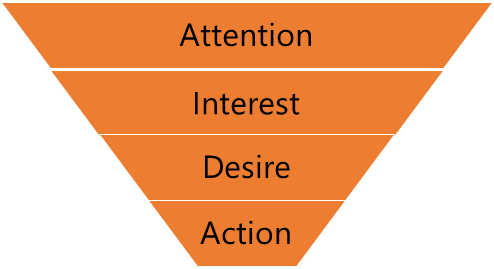
AIDA stands for Attention, Interest, Desire, and Action. When you’re a marketer, the first thing you need to do is get people to know you exist – attention. Then you have to make people care about your game – interest. If they start to want your game, that’s a good sign – desire. Next, they get on your website or Amazon with the intention to buy – action.
Marketing is a slow dance. You have to very slowly build your reputation. Twitter is great because it lets new developers draw attention to themselves with fewer barriers than ever before. But it’s still a long, slow climb from Attention to Action. You have to have a great game, a great website, a good business case, and so on. You can’t tweet yourself to the Top 100 on Board Game Geek. Trust me, I tried.
There’s another really compelling reason not to use Twitter: the community. I generally find Twitter to be a place full of beauty, humor, and rapier wit, but I’m also very particular about what I read there. The Twitter community can be exhausting. Know what you’re getting into. There are a lot of narcissists, a lot of people oversharing banal stories of their lives, and a lot of people browbeating others over politics (even if you voted for the same person). If this will make you miserable, you will probably get more enjoyment out of a different social media outlet.
Getting Started
Setting Up Your Account & Making it Look Good
So you’ve decided you want to take the plunge and get a Twitter? Awesome! There are six things you need to do be ready to do right after you get on the site:
- Register
- Pick a handle
- Pick a display name
- Write your bio
- Set a profile photo
- Set a header photo
I won’t get into the details of where to go and what to click. Twitter could very well change that in the near future and I want this guide to have staying power. So with that in mind, I advise you to stick by a few principles:
- Unless you’re representing a full studio, go by your name. People connect way better with me as Brandon Rollins than they do with me as Pangea Games.
- Put your face on your profile photo. In my experience are about 2-3x more likely to follow a face than a logo.
- Keep your bio to the point. Don’t try to be too clever. Just explain who you are, and possibly incorporate some humor. Here are the bios I use:
- BrandonGameDev bio: Board game development is a wild, meandering journey. We’re in this together. Made @WarMachinesCo, making
@BywaysGame. I own and run Pangea Games. - WarMachinesCo bio: Creator of War Co., a card game funded on Kickstarter, which is on sale now. I pretend to be a scary corporation in my spare time. Other Twitter
@BrandonGameDev - BywaysGame bio: Creating Highways & Byways, a board game about the road trip of a lifetime. Based on real places you can go! I’m
@BrandonGameDev, creator of@WarMachinesCo.
- BrandonGameDev bio: Board game development is a wild, meandering journey. We’re in this together. Made @WarMachinesCo, making
In general, be as human as possible and make it clear that you’re a board game developer. A little bit of clarity and little bit of genuineness go a long way on this platform.
The First Two Weeks (Of Your Account or Your Strategy)
In your first two weeks, you don’t want to focus on followers. It’s too soon. You’ve got two main responsibilities.
Create a few Twitter lists and follow people you’re genuinely interested in. They don’t even have to be related to board games. Add each person you follow to a Twitter list. When you want to check Twitter, check these lists. This will help you keep your Twitter organized and enjoyable while you’re heavily promoting your account.
With listening on lock, now you’ve got to figure out what you want to say! There are a lot of factors to consider if you want to represent yourself well on Twitter.
The first is what I call Content Mix. This is comprised of three different forms of communication: sharing, talking, and self-promotion. Sharing involves retweeting others’ tweets when they speak to you, or alternatively, finding cool stuff online that’s worth bringing up in conversation. Talking is simply hanging out and passing time. Self-promotion is self-explanatory. However, relentless self-promotion will make you look dumb. Failure to self-promote at all will give you very few benefits because no one will know what you do. You have strike a balance.
I suggest taking a 5/3/2 approach. For every 10 tweets, 5 should be sharing others’ work, 3 should be conversational, and 2 should be self-promoting. Naturally, you’ll want to tweak this to what your audience responds to. As for what specifically to say and share, watch what other successful tweeters do. Copy the things they do that you like, but make sure you do so in your own words. As time passes, you will find your own voice.
One last thing: try to post at times when people are online. I’ve noticed a lot of my audience is online around 11 am to 1 pm US Eastern Time. Play it by ear, see what works for you and your audience.
Getting Noticed
Growing a Following – Different Tactics
Curating and creating great tweets go a long way toward making a viable marketing strategy on Twitter. Reading other people’s stuff will keep you in touch with the community and provide you with opportunities to retweet others. Your own tweets will provide a great way for people to find you and get to know you. There’s just one issue. People won’t reach out to you first on Twitter – you have to take the initiative.
Having great content is half the battle. You’ve also got to make conscious efforts to gain followers. There are a lot of ways to do this. Some of them are clean, some of them are dirty, and many are in between. I’ll cover all of them.
Clean Ways to Gain Followers
Let’s talk about some clean ways to gain followers first. The most obvious way is simply to post great tweets. Follow the advice above and iterate until you find the right wording for your audience. This approach is excellent at building your brand and it helps people get to know who you are and how you think. However, it’s a little weak on outreach. You can’t simply make great tweets and expect people to show up.
A more direct way to get people’s attention on Twitter is to start liking and replying to tweets that you see on your feed. Twitter is just about the only place in the world where it’s not rude to butt into a conversation that doesn’t involve you. In fact, that’s much of the magic of the platform and why it’s so great for building a robust network. Replying to tweets on Twitter is the most reliable way I’ve seen to get dedicated fans. However, this is time-consuming as hell and it requires you to be constantly “on” and conversational.
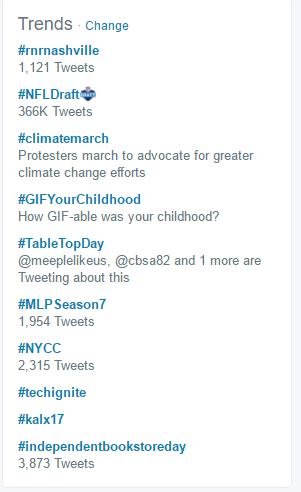
A lot of people know Twitter for its #hashtags. Simply appending that odd little # symbol makes the words following the symbol searchable on Twitter. It’s very easy to use hashtags, but it’s very hard to find hashtags that get real attention. If you use the right hashtag (such as a trending tag on the left side of the page), you might have a tweet blow up and get really big. If you use hashtags, try to work them into a sentence and not just stick them at the end of the tweet. And for the love of humanity, don’t use more than three in a tweet – that’s a surefire way to make folks cringe.
Lastly, you can use advertising to promote your Twitter. With advertising, you can practically guarantee a certain number of retweets, likes, website clicks, or views. Advertising is really hands-off, but also expensive. You also will have to target your ads exceptionally well to your audience, with particular attention being paid to optimizing them. If you’re going to be shelling out the hundreds of dollars it takes to run a good campaign, you want your words to be actionable and your images to be clickable. That means you should probably test your ads on a test audience or focus group before you put them out there.
Dirty Ways to Gain Followers
Twitter is not always a place of honor. I strongly discourage you from using either of these two tactics for growing your following. Think of me like your Defense Against the Dark Arts teacher. I’m teaching you evil ways to game the system because you should know they exist.
There are a number of services which promise to grow your Twitter following fast through complete automation. That means these services take your Twitter credentials and indiscriminately follow people in massive numbers. Do not use automatic mass following. Though it will get you a lot of followers very fast for low effort, it’s spammy, your followers will be low quality, and you can get banned for the practice.
Likewise, you can also outright buy followers on websites such as Fiverr. Do not directly buy followers through any means other than Twitter advertising. Though you can get truly massive amounts of followers (even in the thousands) within days, most of the accounts will be fake or at least low quality. Again, this is spammy and it costs money.

The Gray Areas
Obviously, not every action you can take on Twitter to gain followers falls within the strict dichotomy of “clean” or “dirty.” I know of, and admittedly have used in the past, many techniques that fall within a gray area. If you choose to use these tactics, do so wisely and within an understanding of the pitfalls.
The first gray area is more a method of retaining followers than gaining them. Many people follow everyone who follows them and unfollow everyone who unfollows them. This is not a bad tactic early on, but it’s a little gross. You wind up keeping your numbers up, but many of those folks will be spammers or people who will wind up unfollowing you two weeks later. Keeping your follower number high has significant benefits, but don’t expect followbacks to gain you an engaged audience. It just stops you from bleeding followers.
Indiscriminate following back is a light gray area in my opinion. This next one is a little darker: targeted manual mass following.
One way to get a lot followers is to follow a lot of people. You don’t want to follow people completely indiscriminately, because that will get you low quality followers. Instead, you can use Twitter’s suggestions to follow many people you think fall into your target audience. You can also look at the followers of other accounts that are similar to yours and start following their followers.
Targeted manual mass following gets a lot of followers, but there are a lot of drawbacks. While it is true that follower growth is quick and you can often make genuine friends in the process, it’s kind of spammy if you aren’t really careful about it. It’s annoying to Twitter users. You have to periodically unfollow a lot of people if they’re not following back. You’ll probably get blocked a lot. You might follow the same person multiple times. You might get some angry DMs every once in a while. It’s extremely time-consuming, too. You can even get banned or suspended if you go way overboard, such as following over 300 accounts per day everyday.
I don’t like targeted manual mass followings, but the truth is simple: it works and you’ll make friends. Even still, I don’t recommend it. It’s very common practice, though, and you should know it exists and make up your mind about whether or not you want to do it.
Refining Your Approach
Automating Your Tweets: Ongoing
You can’t automate relationship building. You can’t automate making genuine, heartfelt connections with others. You can, however, automate the tweets which you broadcast to the whole world. I strongly suggest you use Hootsuite to prepare tweets in advance. This free software lets you schedule tweets so that they automatically post when you’re not around. Basically, you can log onto Hootsuite every week or two, come up with a bunch of tweets, and pick the optimal time to post them. You don’t have to be tied to your phone.
You should still check Twitter on a regular basis. It’s still a good idea to converse with others. Automation will allow you to have some constant presence at all times, even when you’re at work, with your kids, or on vacation.
Refining Your Account: Ongoing
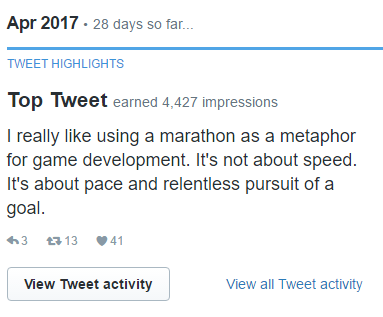
Automating tweets will also free up time for you to start refining your tweets. After a month or two of tweeting, you’ll be able to make good use of Twitter Analytics – a robust data-gathering system that comes automatically with Twitter. Figure out what people retweet and like and post more of it. As you refine your approach, you’ll get followers more automatically and less manually.
You’ll also want to periodically go through your followings and unfollow people. A lot of people obsess over their “following-to-follower ratio.” It’s overrated in my opinion. In general, you want to follow fewer people than you follow. In the first six months, don’t sweat this. Just make sure it’s not a ridiculous gap like 2,500 following to 400 followers. If it’s 2,100 following to 1,800 followers, that’s fine. After six to nine months, you want to make sure you always have more people following you than you follow. Once you break about 5,000 followers, then it’s different. No matter how big you get, you don’t want to follow more than a few thousand people.
At first, just get rid of inactive accounts, spammers, and anyone who doesn’t speak your language. After a little while longer, you can start unfollowing people who don’t contribute much to your Twitter experience. There are a lot of automated services that can help you with unfollowing, such as ManageFlitter. No matter what you use, though, you’ll want to go slow. If you try to be Speed Racer about unfollowing, you’ll get banhammered by the big birds up top.
Using Twitter for More than Just Tweeting
There are all sorts of things you can use Twitter for that go beyond the typical purview of marketing. I won’t get too into detail about the tactics you would use, but I do want to get the wheels in your head spinning. I want you to see the potential and have some possible ideas for how to use Twitter which you can Google later on.
Testing Ideas
Twitter is a really great place to test ideas. With a sufficiently large and engaged following, you can ask questions such as “do you prefer a tracker card or d20 to keep track of points?” You can show two pieces of art and ask your followers what they like better. You can do sophisticated A/B testing on Twitter. If you take the initiative to form good questions and make it easy for people to answer them, you will open yourself up to an enormous wealth of data about the market-worthiness of your ideas.

Market Research
You can use Twitter for more than just testing your own ideas, though. You can read through the tweets of gamers get a feel for what they would like to see in a game, especially if you have them in a list. You can find your target audience, learn about their interests and desires, and observe the way they interact with each other. This is enormously powerful information if you wield it in the right way. Marketers of the bygone century would have done many bad deeds to have access to what we have access to. If you want to get really formal about your market research, you can even start tracking tweets in Excel and do heavier data analysis there.
Trend Analysis
What games are hot? What games are not? Market research can teach you about the small picture, but I’d say that trend analysis is more about the big picture. You can get a feel for how board gamers as a large group think and act. Though trends may not affect your prospective customers’ thoughts, feelings, and actions directly, you can bet that they change the climate in which they have those thoughts and feelings and make their actions. Twitter is known for being a great thermometer for trending topics. Learn how to read that thermometer.
Making Connections
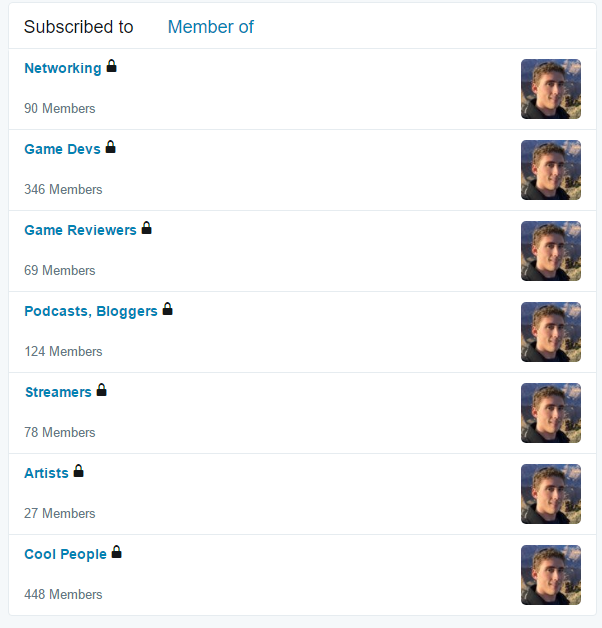
This should go without saying, but so many people miss this critical point of Twitter. Twitter is not about gaining followers, it’s about making connections. You’ll meet all sorts of people online – game devs of different genres, gamers, creatives of all types, podcasters, bloggers, artists, and so on and so on. Talk to them! Make connections! Start up a conversation and perhaps even DM them. Making connections is so important that I spent weeks getting ready to launch a game dev Discord group. I compiled a big list of people who I was already talking to who might be interested in the group and started systematically inviting them.
Connections are where the money is made, too. Broadcasting to a wide audience won’t get a whole lot of attention. It’s like being a street preacher. Yet if you start talking to individuals on a one-on-one basis, you’re far more likely to get Kickstarter backers, if that’s the road you decide to take in your game development. The trick – if you want to call it a trick – is to genuinely converse and genuinely care.

Key Takeaways for Game Devs
- Reasons to use Twitter: great visibility, great marketing, idea testing, market research, trend analysis, making connections.
- Reasons not to use Twitter: you won’t get rich quick and the community has some annoying quirks.
- When setting up your Twitter account: register, pick a handle and display name, write a good bio, set your profile and header photos.
- In the first two weeks of tweeting: make Twitter lists and start posting good content (with the right mix of sharing, talking, and self-promotion).
- Dirty ways to get followers: buying followers and automatic following. Avoid these.
- Gray area ways to get followers: targeted mass manual follows and indiscriminate followbacks. There’s no hard or fast rule. Do what you think is right.
- Clean ways to get followers: post great tweets, talk to a lot of people, use hashtags wisely, and advertise. Do as many of these as you like!
- Automate your tweets through Hootsuite to save time.
- Track and optimize: figure out what people like and retweet. Give them more of it.
- Prune your following: use tools such as ManageFlitter to periodically unfollow accounts that you don’t want to follow any more.
- Test ideas: With a sufficiently large and engaged following, you can ask potential customers questions and refine your game.
- Do market research: You can read through the tweets of gamers get a feel for what they would like to see in a game, especially if you have them in a list.
- Trend analysis: You can get a feel for how board gamers as a large group think and act.
- Make connections: Twitter is not about gaining followers, it’s about making connections. You’ll meet all sorts of people online.